
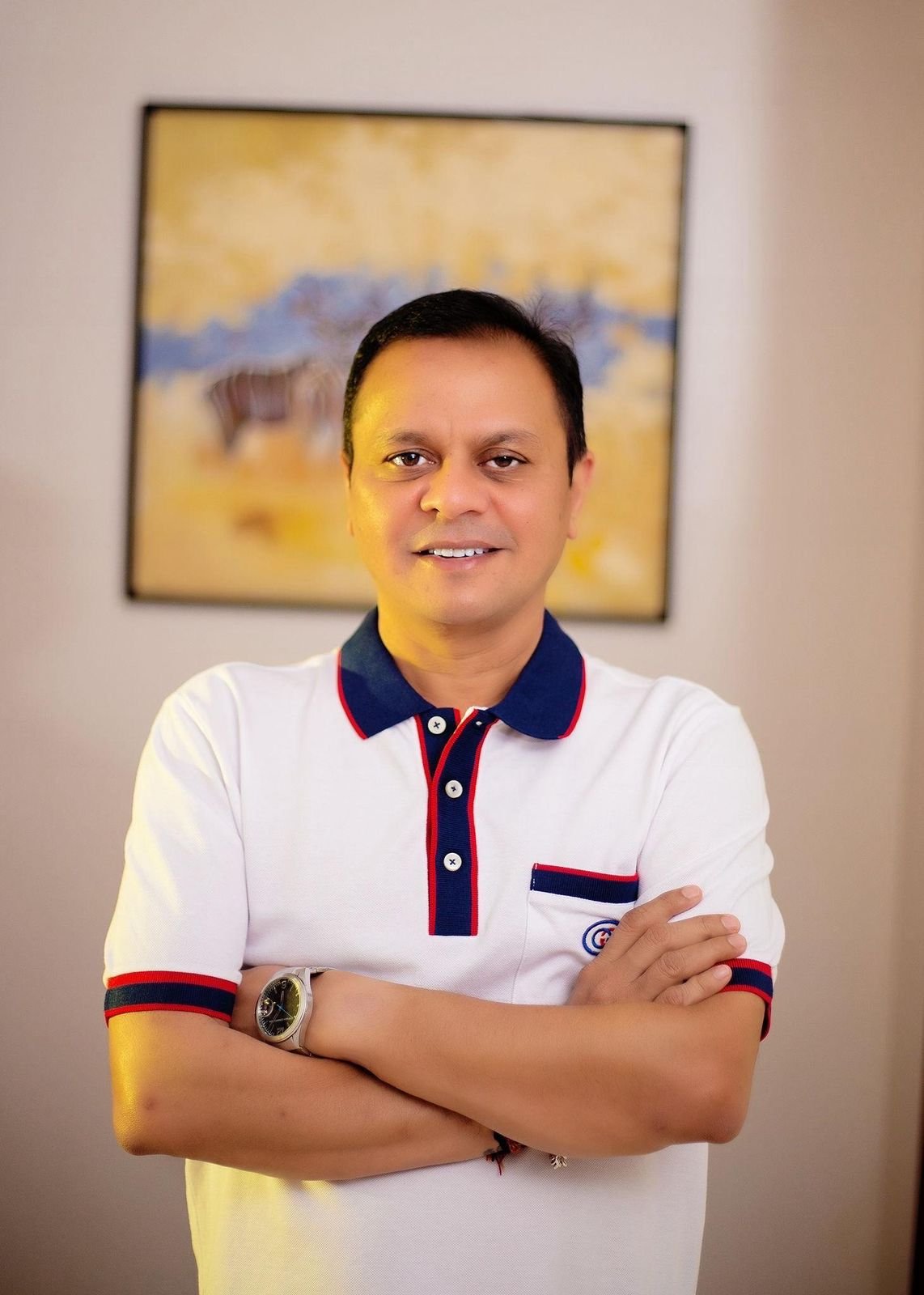
Entrepreneur Gauravv Saxena believes Mumbai is more than just a city—it is an ecosystem that shapes ambition, discipline, and resilience. Having returned to India after spending eight years in Uganda, he describes Mumbai as a place that operates on an entirely different frequency.
“Mumbai runs on a different clock,” he says. “Here, time is currency. There’s an unspoken understanding that every minute counts.”
According to him, professionalism is not just a trait in Mumbai—it is embedded in its DNA. “People don’t just work here; they compete, innovate, and constantly juggle multiple responsibilities,” he explains. “There’s a level of directness and efficiency in the business culture that’s hard to find elsewhere.”
For someone building a media and lifestyle brand, he considers the city an ideal base. “Mumbai respects the grind. If you’re serious about building something meaningful, this city matches your intensity.”
Beyond business, he highlights what he calls the city’s “night safety quotient” as one of its strongest advantages. “One of Mumbai’s greatest badges of honor is its safety,” he notes. “Whether it’s catching a late-night cab after a meeting or walking home after a long shoot, there’s a sense of security here that’s rare in other major global hubs.”
He attributes this to the city’s constant motion. “Mumbai truly never sleeps. The presence of people at almost every hour—the ‘eyes on the street’—makes it feel safer, especially for solo professionals and travelers working late.”
The pace of life, however, can be overwhelming. After nearly a decade abroad, adjusting to the speed of Mumbai required mental recalibration. “Coming back after eight years in Uganda was definitely a shock to the system,” he admits. “But it’s a positive kick.”
He acknowledges the stress that comes with crowded streets and relentless schedules but believes that same energy fuels growth. “The hustle here isn’t just about being busy. It’s about the collective drive of millions of people trying to make it. That energy keeps you on your toes and prevents stagnation.”
While he speaks highly of the city, he also believes meaningful changes are necessary for it to evolve sustainably. “Infrastructure needs massive de-bottlenecking,” he says. “The new Metro lines and the Coastal Road are great steps, but we need aggressive solutions for last-mile connectivity and more pedestrian-friendly walkways. Overdependence on overcrowded roads isn’t sustainable.”
He also points to housing and urban planning as critical priorities. “Moving a significant portion of the population from slums into dignified, affordable housing isn’t just a social responsibility—it’s an economic necessity,” he states. “Proper urban planning would address waste management issues and reduce the strain on aging drainage systems.”
Despite its challenges, he remains optimistic. “Mumbai is imperfect, chaotic, and demanding—but it’s alive,” he reflects. “If you can align with its rhythm, it pushes you to grow faster than you ever imagined.”